Scheduling Software for Wedding Venues and Viewings
Couples book a viewing from your website and see only the times your coordinator can show them round. Tastings and final planning meetings get links of their own, and no viewing lands on a day you are hosting a wedding.

Updated 30 October 2026
Why do wedding venues lose so much time to arranging viewings?
A venue answers far more enquiries than it turns into weddings. Every couple wants to see the place before deciding, most of them on a Saturday, and the Saturdays are when you are hosting other people's weddings. Each viewing takes a coordinator away for an hour or more, the menu tasting needs the kitchen free, and the signed couples come back months later for the final planning meeting. Juggled by phone and email, that diary eats the week. Tymeslot gives viewings, tastings and final meetings separate links and opening hours, caps how many of each fit into a day and keeps your wedding days closed.
Many enquiries, one coordinator and a kitchen that is also cooking
Most scheduling tools treat every appointment as the same half-hour slot. A venue runs three quite different ones. The viewing is the sales meeting: an hour on site, with the coordinator walking the couple from the ceremony room to the garden and back, and a pause afterwards to write up the notes. The tasting is a set piece the kitchen can host only a couple of times a day. The final planning meeting is for couples who have signed and paid their deposit, and nobody else should be able to book one.
Tymeslot handles that with three meeting types. Viewings follow a weekday and Sunday schedule with a 30-minute buffer after each one, so the coordinator can finish the tour before the next couple arrives. Tastings carry a daily limit and, on Pro, a fixed fee paid as they are booked. The final meeting is private, so only couples you send the link to can book it, and time off blocks the days a wedding has the whole venue.
Everything wedding venues need. Nothing they don't.
Room for the Tour
Give viewings a 30-minute buffer after each one, so a coordinator who walks a couple round the gardens is never late for the next pair waiting in reception.
Tastings the Kitchen Can Handle
Cap tastings at two a day and four a week, and Tymeslot stops offering them once the kitchen's places are taken, however many couples are browsing.
Final Meetings by Invitation
Mark the final planning meeting private and send its link with the signed contract, so only confirmed couples can book it and enquiries never see it.
Wedding Days Kept Clear
Add each wedding you host as time off, and no viewing, tasting or meeting can be booked that day, so a couple never turns up mid-ceremony.
Parents and Planners Invited Too
The couple can add a parent, their planner or a friend as guests when they book a viewing, and each of them receives the invitation and the reminders.
A Fee to Hold the Tasting
On Pro, the tasting can carry a fixed fee, settled by card through Stripe when the couple reserves, so a tasting place is not held by someone who never comes.
See the difference
Without Tymeslot
With Tymeslot
Common scheduling scenarios
How do wedding venues schedule viewings for couples?
The viewing is where a venue is won or lost, and couples ask for one long before they are ready to sign. A coordinator showing someone round cannot answer the phone to arrange the next one.
- Create a "Venue viewing" meeting type of 60 minutes, in person at the venue, with a 30-minute buffer after each viewing for the walk back and the notes.
- Give it a schedule that runs on weekday afternoons and Sundays, when the coordinator is free and no wedding is on.
- On Pro, ask for the wedding date and the guest count, so you can tell at a glance whether the date is still free and the room large enough.
- Embed the booking page on your weddings page, and let the couple add a parent or their planner as a guest.
How do wedding venues limit tasting sessions each day?
A tasting needs the chef, a table and food cooked for the couple. The kitchen can host only a few in a day, and a venue busy with weddings at the weekend has to keep them midweek.
- Create a "Menu tasting" meeting type of 90 minutes on a Tuesday to Thursday schedule, with three days' notice so the kitchen can order in.
- Limit it to two tastings a day and four a week; once they are taken, Tymeslot stops offering the slots.
- On Pro, set a fixed tasting fee that the couple pays through Stripe when they book.
- Ask about dietary needs in a booking question, so the chef reads them before the day.
How do wedding venues arrange final planning meetings with confirmed couples?
The final planning meeting settles the running order, the room layout and the suppliers' arrival times. It is meant for couples who have signed, and the date needs to stay close to the wedding.
- Create a private "Final planning meeting" meeting type of 90 minutes, which does not appear on your public booking page.
- Send its link with the signed contract, or a couple of months before the wedding date.
- The couple books it and adds their planner, so the layout and timings are agreed with everyone in the room.
- Reminders go out two days and two hours before, and every guest hears if the time moves.
See Tymeslot in action
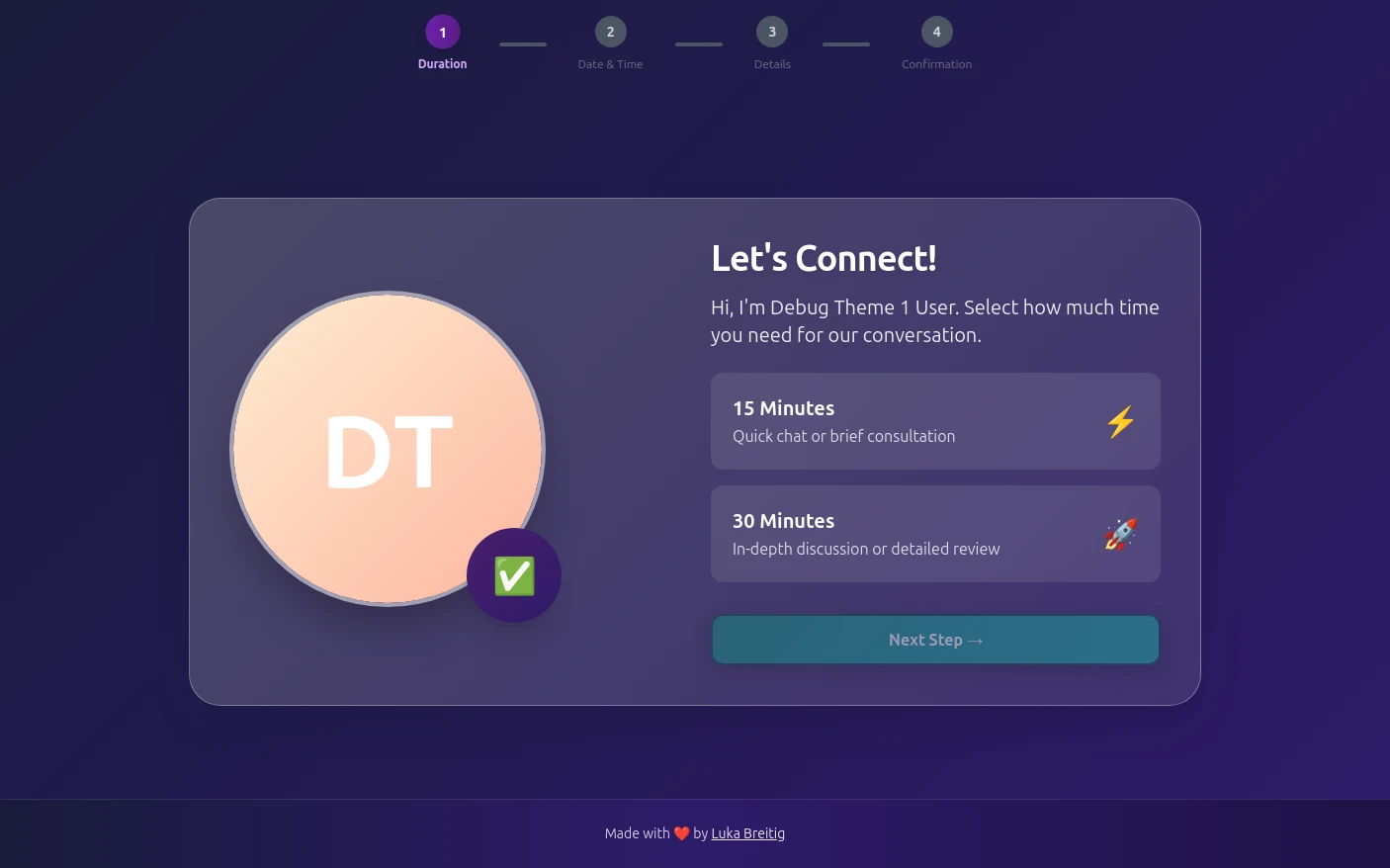
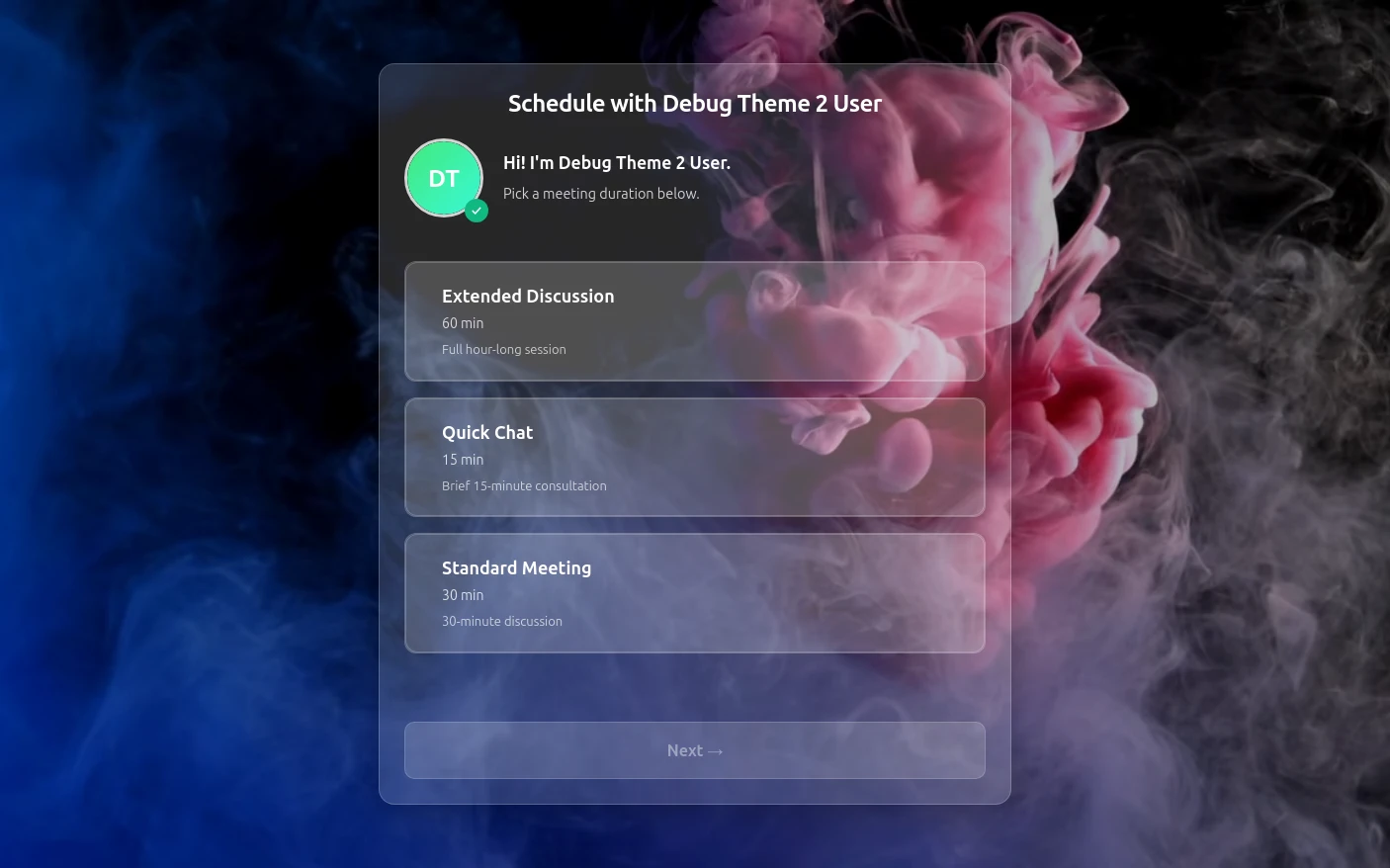
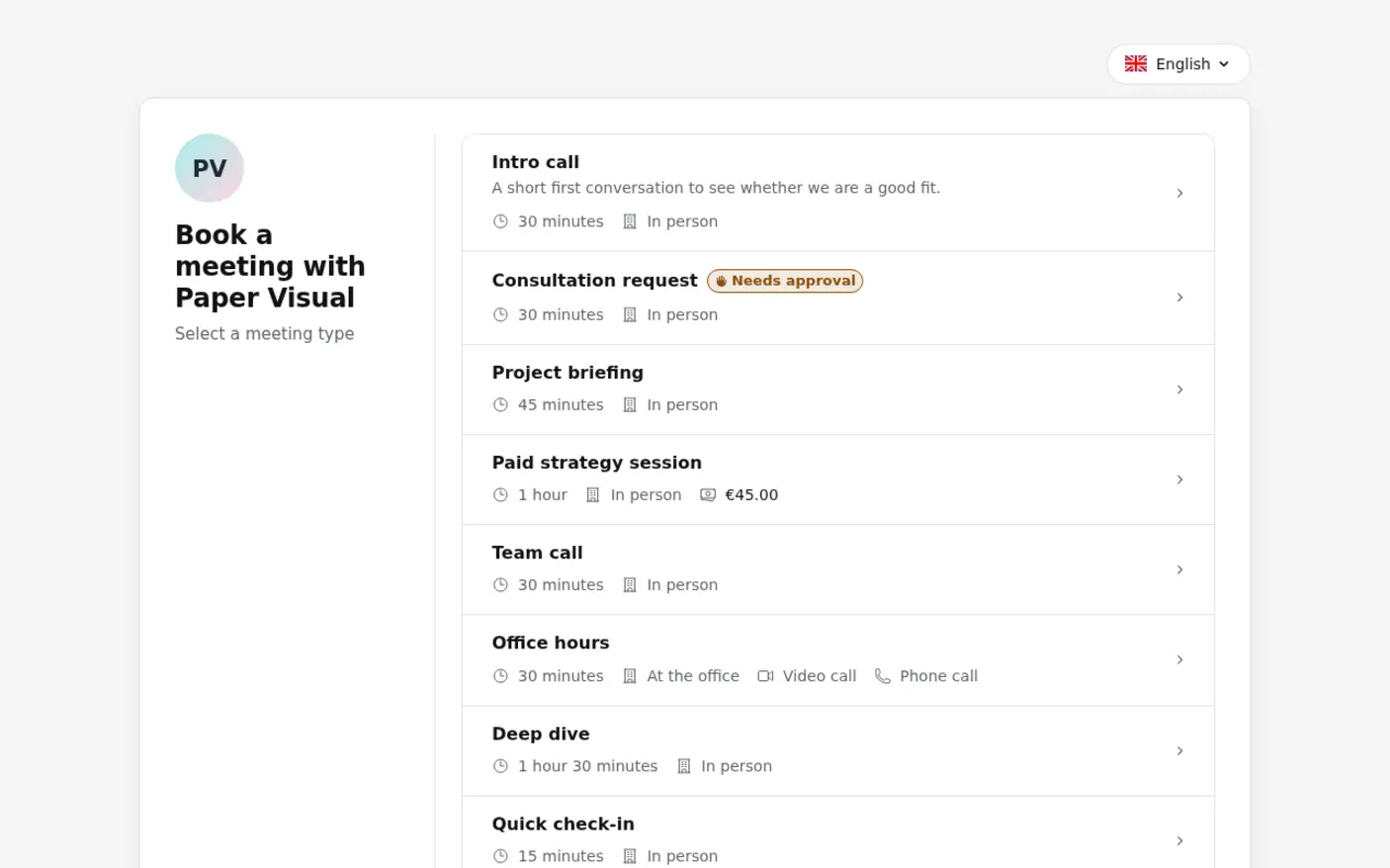
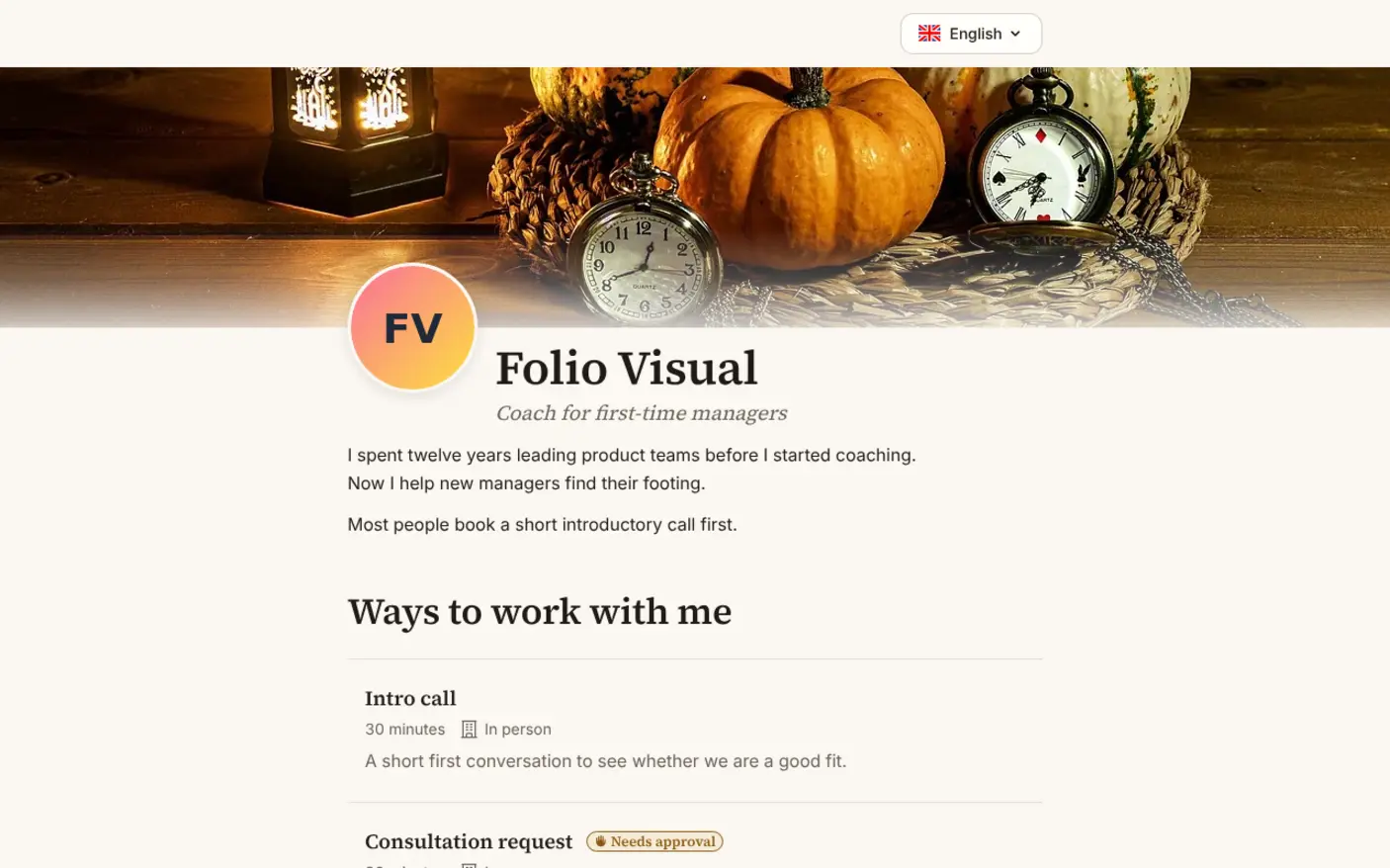
A starter setup for wedding venues
| Meeting type | Duration | Buffer | Minimum notice | Bookable ahead | Payment at booking |
|---|---|---|---|---|---|
| Venue viewing | 60 min | 30 min | 1 day | 90 days | None |
| Menu tasting | 90 min | 30 min | 3 days | 120 days | Fixed tasting fee at booking |
| Final planning meeting | 90 min | 15 min | 7 days | 365 days | None |
Intake questions
- Which date are you hoping to marry on, or which season?
- Roughly how many guests are you expecting?
- Will you hold the ceremony here as well as the reception?
- Do any of your guests have dietary needs we should know about?
Viewings take a day's notice and open three months ahead, because couples who enquire want to see the place soon. Tastings need three days so the kitchen can order in, and the final meeting is private, opens a year ahead and needs a week's notice so the coordinator can prepare the layout.
Tymeslot compared with HoneyBook and Calendly
Against HoneyBook and Calendly, the question that matters most to a venue is what it can ask before a viewing, which is why intake questions lead the table: all three can ask for the date and guest count, Tymeslot on Pro and Calendly on every plan. Each can also take money as a tasting is booked, Calendly only on paid plans. On cost, Calendly charges per seat and HoneyBook has no free plan, while Tymeslot runs viewings and tasting limits for free and charges one flat Pro price for the rest.
| Feature | Tymeslot | HoneyBook | Calendly |
|---|---|---|---|
| Custom intake questions | Pro: wedding date, guest count and dietary needs | Yes: questions block before the scheduler | Yes: up to 10 questions per event type, on all plans |
| Deposit or payment at booking | Pro: tasting fee paid by card via Stripe | Yes: scheduler can require payment to lock the slot | Paid plans only: Stripe or PayPal at booking |
| Entry price | Free for viewings and tastings; Pro adds fees and questions | $29/month, billed yearly (Starter) | $10/seat/month, billed yearly |
Sources checked 5 October 2026.
How much time could you save?
A rough estimate, not a promise.
200
minutes saved per week
173.3
hours saved per year
€7,799
annual value of saved time
Which calendars and tools do wedding venues use with Tymeslot?





Start free, upgrade when you're ready
A venue can run viewings, daily tasting limits, private final meetings and blocked wedding days on Free. Pro (€9/month) pays for itself once you charge for tastings, or want to read each couple's date and numbers before you show them round, as this setup does.
Free
€0 / month
Pro
€9 / month