Scheduling Software for Speech Therapists and Families
Parents book assessments and weekly sessions in the after-school hours you open, and the second parent gets a confirmation too. No advertising trackers on the page.

Updated 31 October 2026
Why is booking speech therapy harder than it looks?
Many speech therapy appointments are booked by someone other than the client. A parent books for a four-year-old with a language delay, a daughter books for a father recovering from a stroke, a school passes on a referral. The person booking is fitting you around work, the school run and other children, and they want the slots after school that everyone else wants too. Tymeslot lets you open those hours for therapy sessions only, keep longer assessments on the days you choose, and send every confirmation and reminder to the person who booked and anyone they add.
What a speech therapy diary has to cope with
A first assessment can take well over an hour, with time afterwards to score and write up. Ongoing therapy is shorter and weekly, and most therapy plans assume it stays that way. Parent reviews are different again: shorter, often by video, and often in the evening. One shared booking link cannot keep those apart.
The after-school window adds pressure. A practice may have only a few slots between 15:00 and 18:00, and an assessment booked into them can push three children's sessions to another week. In Tymeslot each kind of appointment has its own availability schedule, so assessments can sit in the mornings and the after-school hours stay for therapy.
Everything speech therapists need. Nothing they don't.
Assessments, Sessions and Parent Reviews Kept Apart
Give a 75-minute assessment, a 45-minute therapy session and a 30-minute parent review their own meeting types, links and availability, so a family booking therapy never lands in an assessment slot.
Both Parents on the Booking
Allow guests on a meeting type and the parent who books can add the other parent, a grandparent who does the school run, or a carer. Each guest gets their own invitation and reminders, so whoever brings the child knows the time.
After-School Hours for Therapy Only
Put therapy sessions on a schedule that opens from 15:00 to 18:00 and assessments on a morning schedule. Each schedule has its own buffer, minimum notice and booking horizon, and half-term can go in as time off.
New Assessments Wait for Your Approval
Turn on host approval for the assessment type and a new booking stays a request until you have read the referral and checked your caseload. Cap assessments per week to protect the hours you need for scoring and reports.
For Families Who Speak More Than One Language
Many children you see grow up with two or more languages at home. A parent can switch the booking page to one of nine languages, and the confirmation and reminders follow the language they booked in, guests included.
Deposits for Assessments
On Pro, connect your own Stripe account and set a fixed deposit, such as €40, on the assessment type alone. Weekly therapy stays free to book, and a family who books an assessment has already committed to the morning.
Privacy and compliance for speech therapists
A speech therapy booking often names a child, gives their age and hints at why a school or GP is concerned, and the person filling it in is rarely the client. On tymeslot.app the booking page loads no advertising trackers; Google reCAPTCHA loads only once a parent starts the form, to block spam bookings, and a self-hosted instance runs it only if you configure it. Three duties shape what your form asks and who sees each booking.
Health data on the booking form
A referral reason such as a suspected language disorder, a stammer or a swallowing difficulty is data concerning health, which Article 9 GDPR allows only under a listed exception. Ask at booking only what lets you prepare, such as age and home languages, and take the case history at the assessment.
Consent from someone with parental responsibility
RCSLT guidance says consent for a child under 16 normally comes from a parent or guardian, that foster parents do not automatically hold full parental responsibility, and that a headteacher cannot consent to a child being seen. Send the assessment link to the family and ask the booker's relationship to the child.
Confidentiality when guests join a booking
HCPC standard 5 lets a registered speech and language therapist disclose information about a service user only with permission or on another listed ground. A guest on a booking receives the invitation and reminders, so a key worker a parent adds will know about the session; confirm the family wants them involved before discussing progress.
- Hosted in the EU
- Signed DPA on Enterprise only
- Self-hosting for full control
- No HIPAA BAA on any plan
See the difference
Without Tymeslot
With Tymeslot
Common scheduling scenarios
How do speech therapists turn referrals into booked assessments?
Referrals arrive from schools, nurseries and GPs, but the parent still has to book. If that means phoning during the working day, many referrals wait weeks before anyone gets through.
- Create a "Speech and language assessment" meeting type of 75 minutes on a morning availability schedule, with a 72-hour minimum notice and host approval, so every request waits until you have read the referral.
- Ask a few booking questions (a Pro feature on the managed service): who the appointment is for, their age, which languages are spoken at home, who referred them and the booker's relationship to the child.
- Say what to bring in the meeting type's description, such as glasses, hearing aids or a favourite toy. Parents read it when they choose the assessment.
- Send the booking link to the family named on the referral, or put it on your practice website, rather than letting the school book on their behalf.
How do speech therapists keep weekly therapy on a steady rhythm?
A therapy plan relies on regular sessions. Each session is booked on its own, so the aim is to make booking the next one quick and to keep the after-school slots for families already in therapy.
- Make the "Therapy session" meeting type private, so only families you send the link to can book it.
- Set a booking horizon of six weeks on its schedule, so a parent can book the next few weeks in one sitting, one session at a time.
- Limit therapy sessions per day if you need to keep energy for the last child of the afternoon.
- When a child is ill on a Tuesday, the parent moves that week's session from their confirmation email and the slot reopens for a family on your waiting list.
How do speech therapists fit in parent reviews without losing therapy time?
Parents need to hear how things are going, and home practice depends on it. Squeezed onto the end of a child's session, that conversation eats into therapy and happens in front of the child.
- Create a "Parent review" meeting type of 30 minutes with a video location, so a parent can join from work or from home after bedtime.
- Open it on an evening schedule, for example Tuesday and Thursday from 18:00 to 20:00.
- Send the link every six to eight sessions, or when you have a home practice plan to talk through.
- Allow guests so both parents can join from different places, and so can a nursery key worker if the family invites them.
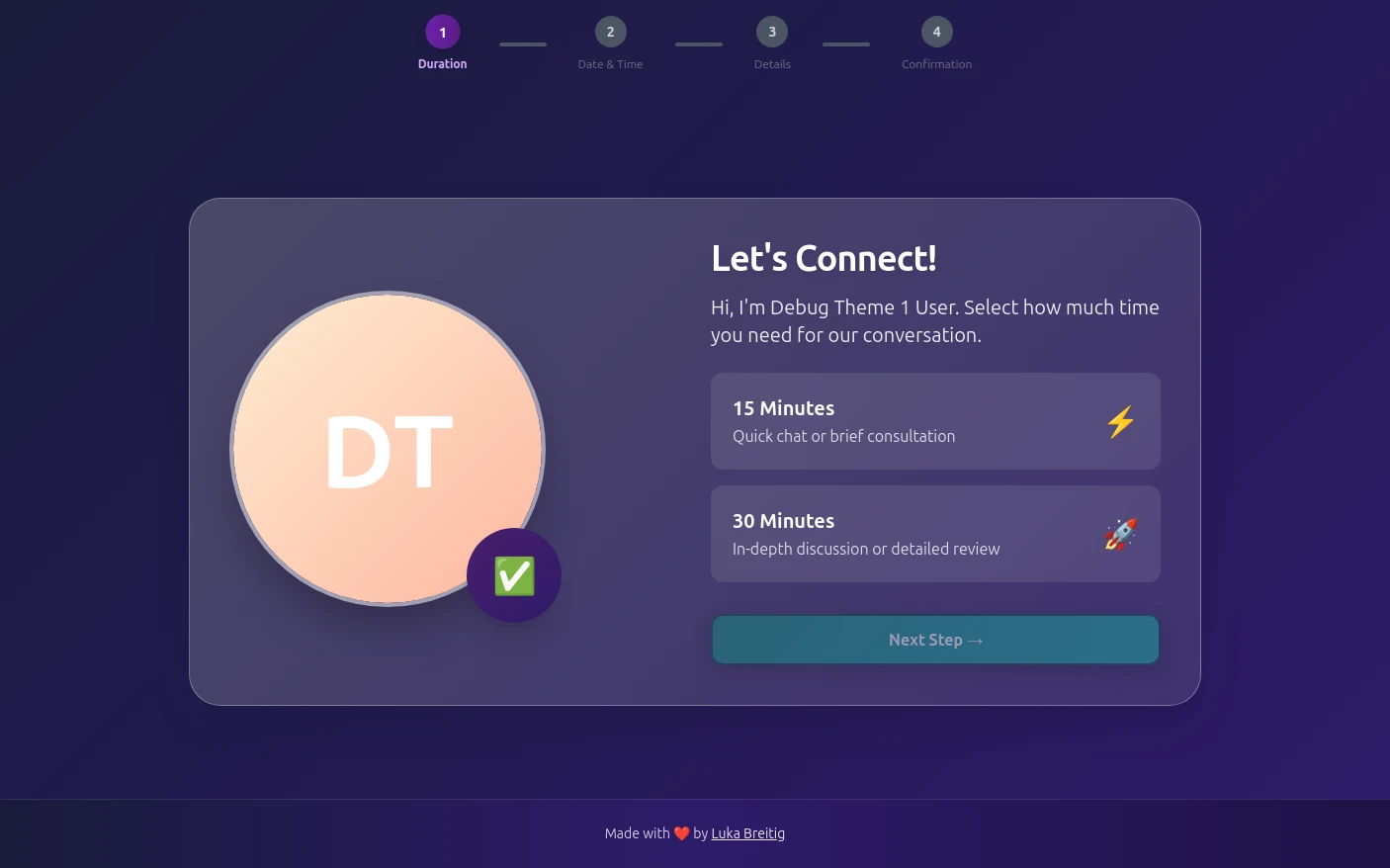
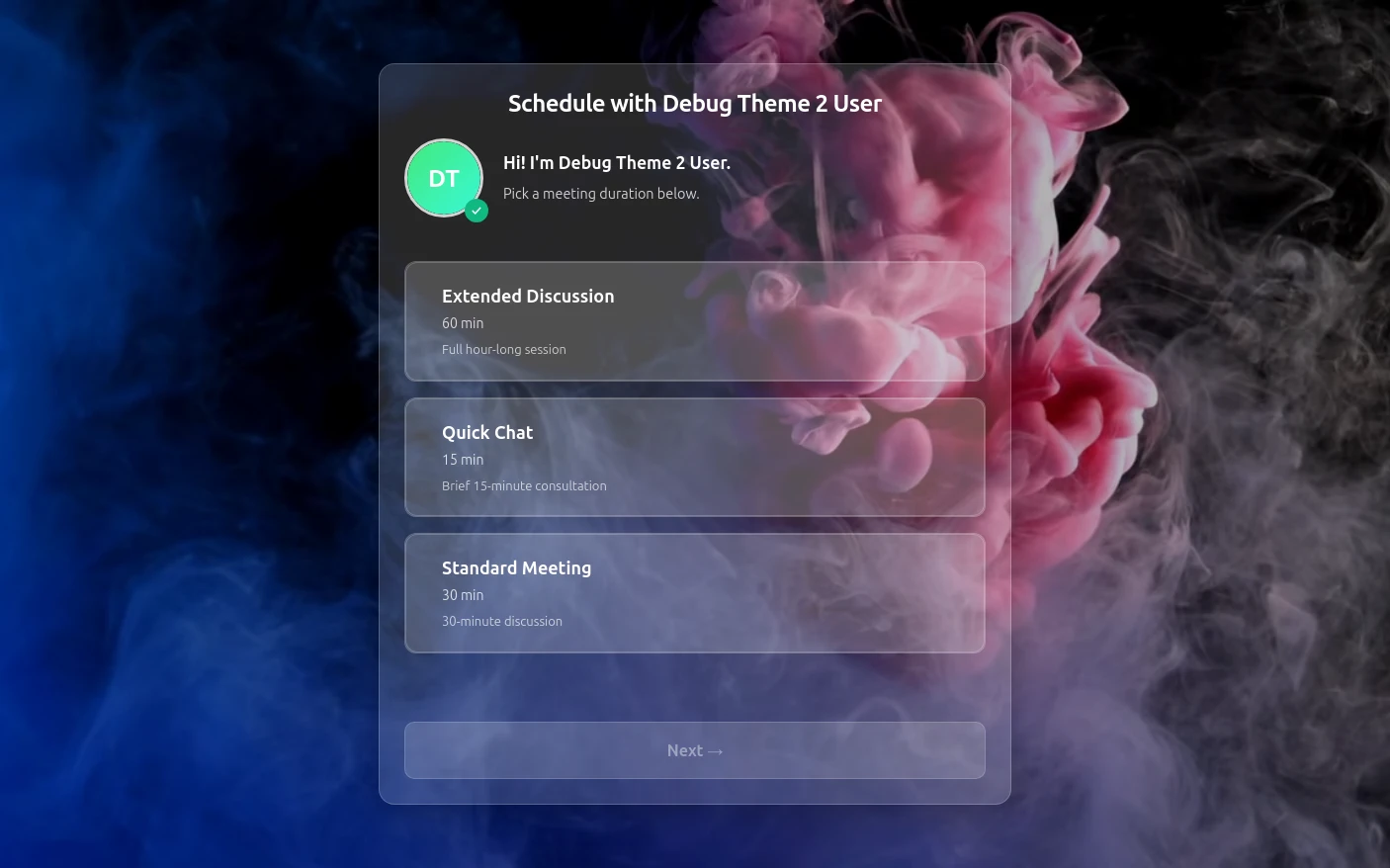
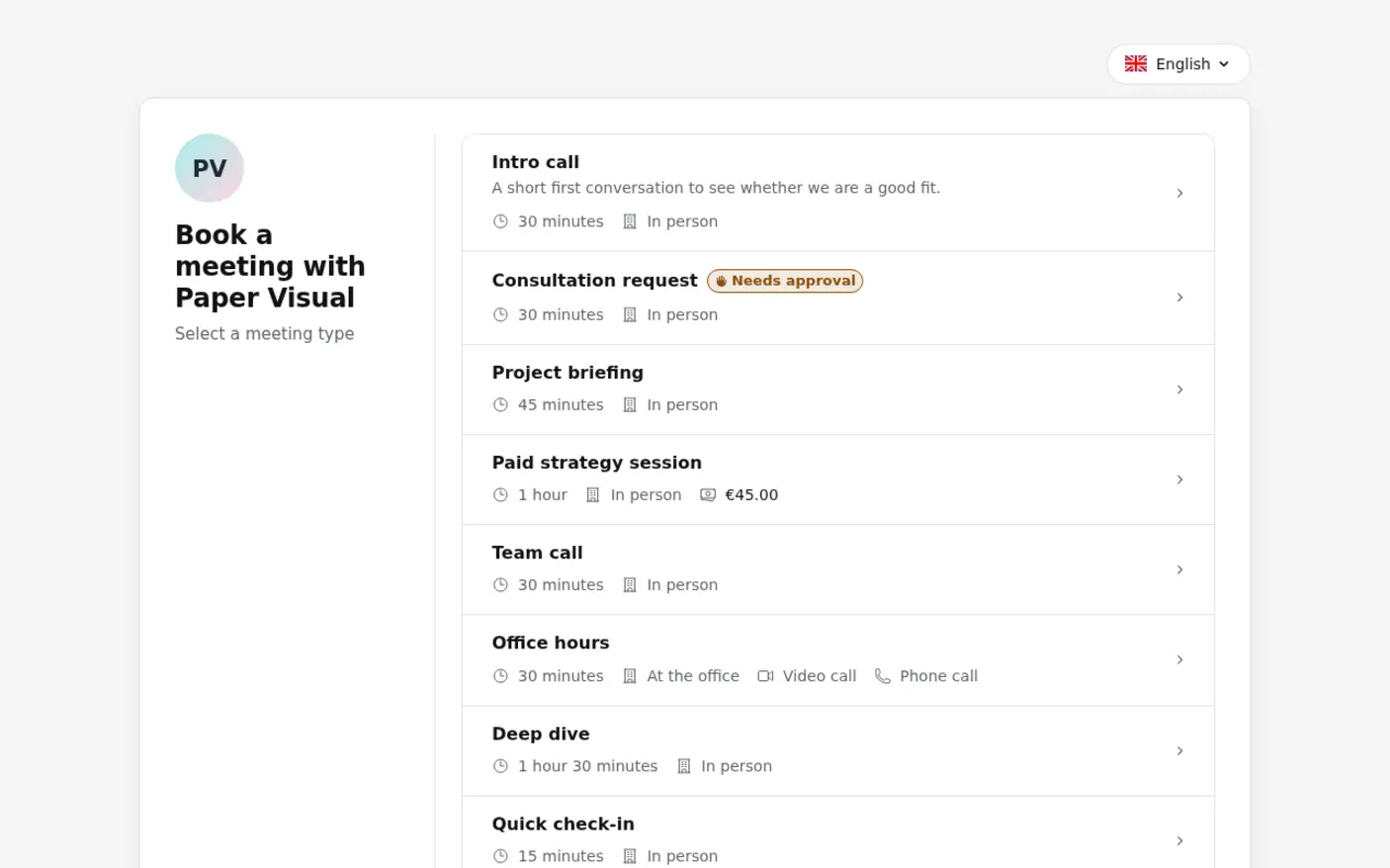
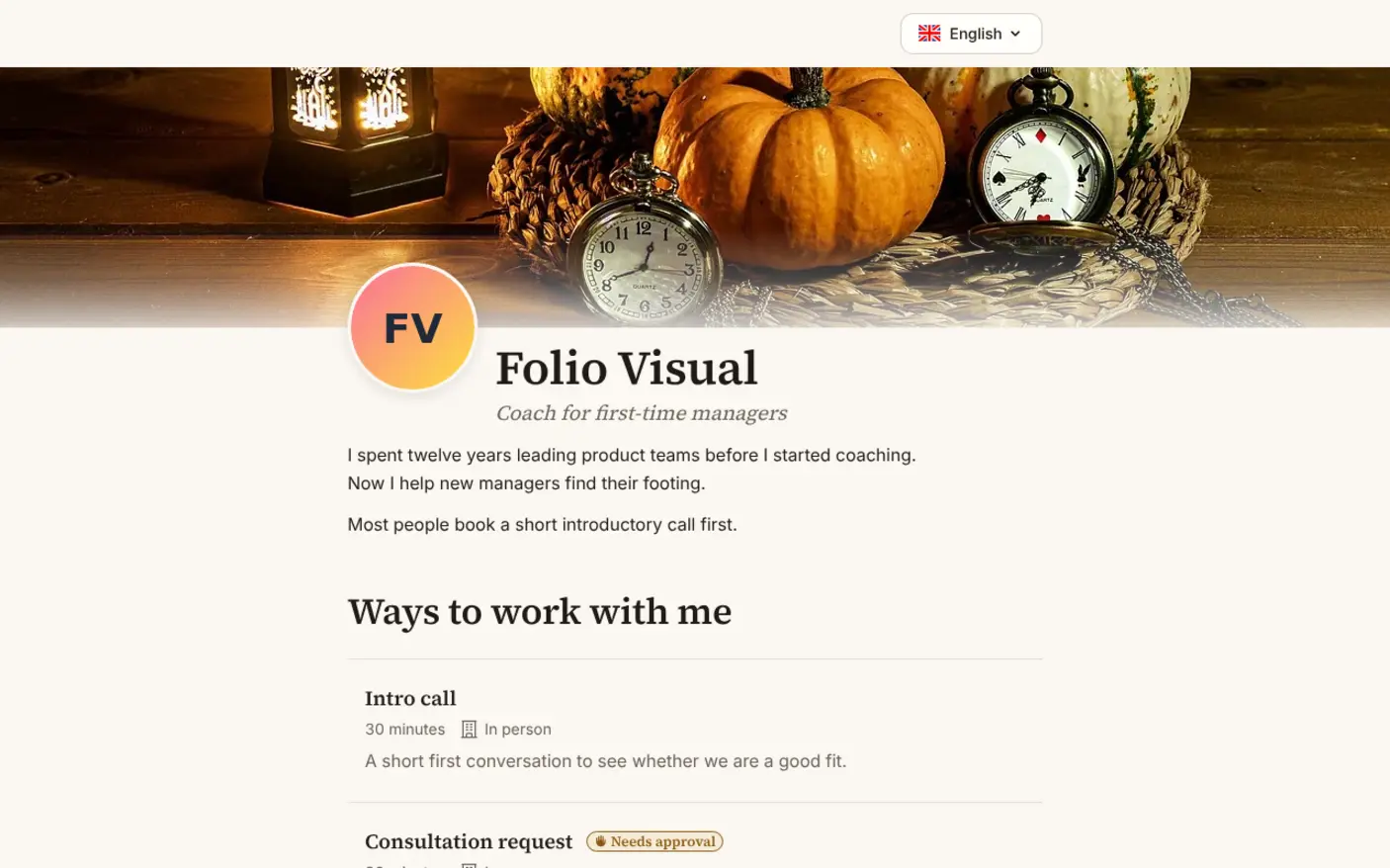
See Tymeslot in action
A starter setup for speech therapists
| Meeting type | Duration | Buffer | Minimum notice | Bookable ahead | Payment at booking |
|---|---|---|---|---|---|
| Speech and language assessment | 75 min | 30 min | 3 days | 6 weeks | €40 deposit at booking |
| Therapy session | 45 min | 15 min | 1 day | 6 weeks | None |
| Parent review | 30 min | None | 1 day | 4 weeks | None |
Intake questions
- Who is the appointment for, and how old are they?
- Which language or languages are spoken at home?
- Who referred you, for example a school, nursery or GP?
- Which afternoons usually work for you?
Three schedules: mornings for assessments, with 30 minutes afterwards to score, 15:00 to 18:00 for therapy, and two evenings for parent reviews. The questions and the assessment deposit need Pro; the three meeting types and their schedules work on Free.
Tymeslot compared with Cliniko and Acuity
Tymeslot is the lighter choice next to Cliniko and Acuity for speech therapists: it books assessments, therapy and parent reviews, and leaves case notes and invoices to your records system. The rows below are the decisions a speech therapy practice usually weighs: asking about a child before the first visit, taking an assessment deposit, starting for free, and HIPAA. Acuity includes forms and payments on every plan, and Cliniko suits a practice that wants notes, invoicing and HIPAA cover in one paid product.
| Feature | Tymeslot | Cliniko | Acuity |
|---|---|---|---|
| Custom intake questions | Pro: child's age and home languages first | Intake forms are sent with confirmations | Yes, on all plans: custom client forms |
| Deposit or payment at booking | Pro: €40 deposit on assessments only | Yes: deposit or full payment via Stripe | Yes, on all plans: Stripe, Square, PayPal, Venmo |
| Free plan | Yes: assessments, therapy and parent reviews | No: 30-day free trial | No: 7-day trial, no card needed |
| Signs a HIPAA business associate agreement | No: Tymeslot does not sign a BAA for SLPs | Yes, on request | Not checked |
Sources checked 5 October 2026.
How much time could you save?
A rough estimate, not a promise.
160
minutes saved per week
138.7
hours saved per year
€11,096
annual value of saved time
Which calendars and tools do speech therapists use with Tymeslot?



Start free, upgrade when you're ready
A speech therapist who only needs families to book and be reminded can stay on Free. The starter setup above uses Pro (€9/month) twice: for the questions about the child's age, languages and referrer, and for the €40 assessment deposit. Self-hosting gives both without a subscription.
Free
€0 / month
Pro
€9 / month